Thursday, 2 June 2022

ITS NATIONAL COGNAC DAY!

 June 4th is National Cognac Day, and although there are other celebrations going on at the moment, I for one am going to pause to toast this lovely spirit made in France.

Cognac is not only the jewel of French gastronomy, but 98% of it is exported to over 150 countries

70% of Cognac is consumed in cocktails worldwide, a figure that illustrates the great popularity of mixology, both in England and abroad. The very first Cognac-based cocktails were created in the early 19th century, such as the "Mint Julep", created around 1800 in the United States.


My favourite is a Sidecar, made with  cognac, triple sec and lemon juice. Elegand and fit for a queen

The Cognac success story that began nearly four centuries ago continues to be passed down from generation to generation. From the vine to the glass, the men and women who are passionate about Cognac are committed to promoting this unique heritage and this spirit "made in Charentes".


Cognac is also a superb region to explore. The largest white vineyard in France, it offers a wide variety of distilleries and landscapes to discover. The Cognac houses and winegrowers open their doors to visitors to share their history, under the same banner: Explore Cognac.


www.cognac.fr 

Tuesday, 16 March 2021

GRAVE OF SIR RICHARD BURTON MORTLAKE


This week marks 200 years since the birth of Sir Richard Burton, in full Sir Richard Francis Burton, (born March 19, 1821, Torquay, England—died October 20, 1890,  Trieste  Italy.

He was an English scholar-explorer and Orientalist who was the first European to discover Lake Tanganyika and to penetrate hitherto-forbidden Muslim cities. He published 43 volumes on his explorations and almost 30 volumes of translations, including an unexpurgated translation of The Arabian Nights and the Karma Sutra.

He may have spent his life exploring exotic places, brothels, temples and hidden cities but Robert Burton is laid to rest in a quiet corner of South West London in the graveyard of the Catholic church of St Mary Magdalene, Mortlake.  But his grave is unmissable in this little churchyard. It is in the form of a Bedouin tent and his tomb and that of his wife can be seen though a window at the back.

Monday, 18 January 2021

The Dove Hammersmith


THE DOVE 

The charming Grade II listed Dove pub at the end of Upper Mall is where Rule Britannia was written by James Thompson in 1740 and boasts one of the smallest bars in London.  The list of drinkers here reads like a Who’s Who of boozers and includes Ernest Hemingway and Dylan Thomas. Stop for a drink on the terrace in summer or in the cosy lounge with a roaring fire in winter.

dovehammersmith.co.uk

Next door was the  Dove Bindery, later Dove’s Press, founded in 1893 by Thomas Cobden Sanderson who is credited with coining the term Arts & Crafts.

Saturday, 11 April 2020

LOVING THE ALPINE SCENE IN ARGENTINA
Bariloche or San Carlos de Bariloche to give it its full name is the main tourist town in the Lake Disrict  region of Argentina with a colourful tram that runs past the main square and a distinctive European feel. The area attracted Swiss, Austrian and German settlers with its fresh mountain air, snowy peaks and challenging hikes. Although Argentina is famous for its wines, there are a surprising number of small breweries in Patagonia and the craft beer bars in places like Bariloche add to its Germanic feel.
This area is famous for its chocolate and there are as many chocolatiers on the main street in Bariloche as you would find in Geneva and the quality products are in the same league. In Villa La Angostura the town seems to be in a permanent state of Christmas with Santa Claus statues and images in shops and squares all year round.

Twenty kilometres from Bariloche is the ski resort of Cerro Catedral, featuring a vertical drop of 1000 meters, close to 1500 skiable acres and 38 lifts. Catedral has a ski village where skiers and snowboarders walk over to the neighbouring microbrewery for the après-ski jollity. A more civilised experience is found at the Llao Llao hotel which opened in 1940 and recently underwent renovations. The hotel features an 18-hole golf course with 360-degree views of Nahuel Huapi National Park. In fact, many people (like us) visit the hotel just to get a glimpse of the stunning views and enjoy an elegant afternoon tea or meal at one of the restaurants.

Friday, 25 October 2019

COLONIAL CITY SANTO DOMINGO


SANTO DOMINGO THE CITY OF FIRSTS 

Santo Domingo, the capital of the Dominican Republic, is the oldest city in the New World founded in 1496 by Christopher Columbus’ brother. One of the Caribbean’s most interesting cities, its colonial old town with limestone 16th century buildings boasts the first cathedral, the first monastery and the first hospital built in the Americas. 

 Santo Domingo also has the first metro system in the Caribbean but I prefer to explore on foot especially along the cobbles of Calle las Damas (Ladies ‘street) which got its name in 1509 when Maria Del Toledo, wife of Diego Columbus, stepped out with the fashionable wives and girlfriends of the day.

To get into the role, I am staying at the unusual Casas XIV in the heart of the Zona Colonial. Thehotel is found in a series of renovated 16th century houses.  Entering my home for the night in Casa Del Pozo is to step back in time into this former convent filled with antiques and artworks with a courtyard featuring the original well. 


Wednesday, 3 July 2019

CHURCHES OF BERMUDA

Unfinished church in St George's

BERMUDA  is famous for its pink sand beaches, turquoise oceans and of course that Triangle, where countless souls have supposed to have disappeared.
Bermuda is thought by scholars to be the island in Shakespeare’s The Tempest about a group of noblemen brought to a magical island by a violent storm. And indeed the tiny 21 mile island was discovered by a shipwreck.
St George’s is one of the earliest English settlements in the New World where British sailors were  shipwrecked in 1609 while travelling to Jamestown, Virginia. Now a UNESCO World Heritage Site there is  twisting alleyways leading to quaint shops and cottages and many Anglican chapels including the lovely St Peter’s Church and Their Majesties Chappell. The magnificent Gothic Unfinished Church was meant to replace St Peter’s in 1970 but the project was abandoned. Now the mysterious building, open to the elements and nature, is a popular wedding spot.
Throughout the island one finds hundreds of churches which wouldn't look out of place in English villages and towns. 
St Peters church St Georges

Cathedral, Hamilton

Thursday, 21 June 2018

BUDAPEST WITH ROUGH GUIDES


Back from my first visit to the Hungarian capital Budapest I found myself with a wealth of memories. From chaotic ruin bars to elegant squares, historic castles to modern art galleries – Budapest is a complex mix of styles and atmospheres.
 This is a multi-layered city which could take years to discover in depth. But with only a few days and armed with the latest version of The Rough Guide to Budapest, I did my best to sample some of the city’s attractions.
The guide usefully addresses the city neighbourhood by neighbourhood. Most visitors, like me, start their visit in the popular Belvaros inner city area, with its shops, cafes and promenades. Here we also find insights into Hungary’s rich history by exploring down the embankment of The Danube. The Rough guide not only gives interesting information on main sites such as the Cathedral of the Dominion Greek Orthodox church but also directs us to quirkier finds such as the Underground Railway Museum.
Close by are the Erzebetvaros and Jozsefvaros districts where I enjoyed stroll around the Jewish Quarter. The Great Synagogue is a good starting point and this area also gave me my fist introduction to ruin bars – built in abandoned buildings these colourful and lively bars are a Budapest must-do.
Away from the central attractions, Budapest is diverse.  Until 1873 Buda on the hilly west bank and Pest on the east were two different cities and they still retain distinct personalities; Buda older and classy with its Castle Hill (Var) and Pest with its bustling atmosphere and fascinating Art Nouveau architecture.  Don’t miss the thermal baths – of which there are over 100. And when you get hungry there is no shortage of good cafes and restaurants. Hungarian food is hearty and delicious and The Rough Guide does a good job of providing comprehensive listings to suit all palettes.


The Rough Guide to Budapest, 7th edition. Published January 2018.

Follow this link to buy the book: https://amzn.to/2toAuJD

Saturday, 9 June 2018

IN THE STEPS OF JOSEPHINE BAKER

I recently stayed at the charming boutique hotel Riad Star in the heart of Marrakesh's medina. It was once the home of the famous Jazz Age dancer, civil rights activist and entertainer Josephine Baker, who stayed here in the 1940s while recuperating from illness. Tributes to the star and memorabilia abound in this lovely hotel.

Riad Star has just 13 rooms and its own Hamman, perfect for refreshing scrubs and massages. There is a roof terrace with sun loungers and secret shady corners to escape the heat.
Rooms are individually decorated with silk duvets, statues and Moorish touches as well as modern day essentials including TV and free Wi-Fi. Fragrant orange blossom toiletries feature in the shower room.
Delicious home cooked Moroccan dinner is available and breakfast can be taken on the terrace or in the dining room. The Hotel has its own cookery school where local chefs share their love of traditional Moroccan dishes.
The Riad Star is right in the heart of the medina ideally placed for exploring the vibrant historic areas that make this city so fascinating. 
You could spend days just mooching around the old town’s teeming alleyways and souks and marvelling at its vast palaces and gardens. A walking tour with a guide or a tour of the city by horse and carriage will ensure you won’t get lost, although the Riad Star offers guests the loan of a local mobile phone and its App is invaluable. 
Riad Star is the flagship property of Marrakech Riad which has four character hotels in the old medina district. For best rates book direct online, www.marrakech-riad.co.uk
Room rates at Riad Star from £112 
www. Riadstar.com
Phone: 020 7193 7357

For more information on Morocco see www.muchmorocco.com

Wednesday, 2 May 2018

THE HISTORICAL ABACOS, THE ISLANDS OF THE BAHAMAS


The Abacos in The islands Of The Bahamas are famous for their sailing, diving and fishing opportunities, but on land there is colourful history experienced by walking around colonial Hope Town, with its red and white candy cane lighthouse, or New Plymouth with its periwinkle and pistachio coloured wooden houses. The islands were settled in the 1700s by Loyalists escaping the American Revolution. Hope Town's candy striped lighthouse, a favourite postcard subject and wedding venue now, but quite controversial when it was under construction back in 1863 because up until then, the islands residents had been making a comfortable living by salvaging ships that wrecked on the offshore reefs

New Plymouth, a short drive from Green Turtle Cay, feels like a sleepy 18th century English town.
Here we find the quaint  and slightly  ramshackle Albert Lowe museum and the fascinating Loyalist Memorial Sculpture Garden. Stop by the old jail and the characterful coffee and ice cream shops. You may notice that the same names crop up on shopfronts, plaques and gravestones – McIntosh, Pinder and Roberts to name just a few.


Stay at the lovely Bluff House, just a short drive away.
 
Formerly a private home, Bluff House is one of the oldest resorts in The Out islands and sits on the highest point of Green Turtle Cay
www.bahamas.com
www.bluffhouse.com

Wednesday, 24 January 2018

MAKE MINE MAYAN - TIKAL GUATEMALA


MAKE MINE MAYAN - TIKAL, GUATEMALA
 
 
Rising out of the jungle in the steamy afternoon heat with the shrieks of howler monkeys in the background is a towering black temple; marked by age and worn by climbing feet over thousands of years ……..This is my first glimpse of the ancient Mayan ruins at Tikal, Guatemala, one of the wonders of the Americas.  We stay until sunset as the sky turns pink over the five magnificent temples and return the next morning at sunrise with the toucans, macaws and parrots. I am told that jaguars and ocelots lurk in the surrounding forest, but we only spot a cheeky coatimundi or racoon like creature scurrying past.

Tikal is one of the oldest Mayan sites with the earliest evidence of human habitation here around 700 BC.  There are five temple pyramids which soar above the forest canopy, with carve stelae and altars in the central plaza. We spot masks carved in the stone as we learn the history of this amazing place with its stories of rulers buried in tombs with precious jade, human sacrifices and royal palaces which at one time were painted in bright colours.

LA LANCHA

After a long day getting to know the Mayans, my experience is made even more magical when I head to my accommodation for the duration of my stay. Just a short drive away is the fabulous La Lancha rainforest lodge, tucked away in the rainforest high above the clear waters of Lago Petén Itzá – the second largest lake in Guatemala.
 

La Lancha is part of the Family Coppola Hideaways group, owned by film director Francis Ford Coppola and his family. He fell in love with the jungle while filming Apocalypse Now in the Philippines, and went on to establish three luxury rainforest lodges in Belize and La Lancha in Guatemala.

It is easy to see how he was captivated by this lush, exotic part of the world where every turn brings breath-taking scenes worthy of the most dramatic movie set and where the monkeys, toucans and parakeets provide the soundtrack.

Ten thatched suites and rooms are dotted around La Lancha.  My room is a  Lake View casita -  a pretty treehouse filled with Guatemalan artefacts and crafts, from colourful throws on the beds to the animal masks and huipils (traditional Mayan women’s’ dresses) hanging on the walls.  The wooden furniture is Balinese in style and, as in all the rooms here, there is a terrace with hammocks and chairs which look out to the calm and beautiful lake.  La Lancha is proud of its eco credentials and the spacious bathroom is stocked with handmade, locally sourced toiletries.

Exploring the winding paths around the property I find the two-level swimming pool and the Mirador or look-out deck, complete with huge comfy recliners from which to look over the lake, listening to the birds and monkeys.  La lancha has a number of eccentric touches, such as the Shellphone – a pink conch shell which is actually a telephone for guests to pick up and order a cocktail, food or coffee wherever they are in the property.   Later its time to detox at the   Temazcal, a traditional Mayan sweat lodge or sauna for  cleansing and relaxing with copal incense burning.

Breakfast, lunch and dinner are served in La Lancha’s lovely open-air restaurant under the thatched roof of the Main Lodge with fabulous views over the rainforest to the lake.  In the evening meals are cooked on an open parilla or grill. Food is a combination of traditional and Guatemalan dishes including fresh fish from the lake and Suban Ik (‘God’s meal’), a traditional dish containing chicken, beef, rice and spices. Top class wines are from the Francis Ford Coppola Winery in California and drinks are on offer at the rooftop bar and library or down at the enchanting lake-view bar accessed by a quirky funicular.
 

Adjacent to the Restaurant is an authentic tortilla hut, where local staff make fresh, homemade tortillas and encourages guests to join them in the tradition.

As well as visits to Tikal, the hotel can arrange rainforest experiences including zip-lining, aerial walkways and canoeing or kayaking on the lake.

Fact Box

La Lancha

Aldea Jobompiche

San Jose, Petén

Guatemala

www.thefamilycoppolahideaways.com/en/la-lancha

00 (502) 30450817

Wednesday, 20 September 2017

NEW ROUTE TO PARDUBICE CZECH REPUBLIC

EASTERN BOHEMIA IN THE CZECH REPUBLIC OPENS UP TO UK VISITORS

A new direct flight to Pardubice in the Eastern Bohemian region of the Czech Republic opens up a wealth of opportunities for UK travellers to visit this hidden gem.Ryanair commenced the new route this month.

Pardubice lies in the Labe lowlands, surrounded by meadows, forests and lakes. It is probably best known for its Great Pardubice Steeplechase, the oldest and most difficult cross country horse race on the continent and held here since 1874. Horses play a huge part in Eastern Bohemian tradition – Pardubice’s coat of arms includes the front half of a horse (from the coat of arms of the influential Lords of Pernstein who developed the city) and close by is the National Stud at Kladruby nad Labem, one of the oldest studs in the world. Here we see the magnificent Kladruber horses, bred here since the 14th century.

In the city itself we visit the Pardubice castle which is a Renaissance chateau right in the middle of town. We walk around its Gothic ramparts before examining many plaques on the town walls depicting myths and legends associated with the rulers and families who left their mark on the region. The town received a new lease of life in the second half of the 19th century with industrialisation.

Of course you can’t come to the Czech Republic without tasting the beer! Beer has been brewed in Pardubice since the 14th century and the Pardubice brewery was one of the first modern breweries in Eastern Bohemia, established in 1871. You can tour the brewery and enjoy a tasting of their signature beers including the strong Pardubice Porter with its characteristic dark foam and malty flavour, the classic Pernstein light beer and Taxis, a pale beer made from Moravian malt.
 

Away from the city a magical tour of fairy –tale castles and chateau takes us to Litomyšl. With elaborate decoration, gables, elegant arcades, romantic gardens and a mysterious underground, this representative seat of the Pernštejn family is one of the most beautiful examples of the Renaissance style and  the chateau complex is now included on the UNESCO world heritage list. There is also Kunětická hora Castle, famous under the religious wars in the 15th century.

Lakes, fish ponds and spa towns add to the region’s gentle attractions and the capital Prague is less than an hour away by train, making it an ideal spot for a two centre trip.

Ryan air flies to Pardubice from London Stansted.   www.ryanair.com

For more information on East Bohemia see www.east-bohemia.info 

And www.czechtourism.com


Thursday, 3 August 2017


Unexpected Uzbekistan
 

At a time when many travellers are sceptical of travel to Muslim countries, I visited Uzbekistan in Central Asia and found not only a safe, beautiful destination but one positioning itself as one of the world’s ‘must see’ places.

Called the pearl of Central Asia, Uzbekistan, home of the Silk Road, has been traversed by traders, invaders, adventurers and explorers for over 2.5 millennia. The names of Marco Polo, Genghis Khan and Alexander the Great are associated with the nation, drawn by its access to riches and treasures and the route that joined East to West in civilisations of long ago.  

Yet this part of the world is still relatively undiscovered by British travellers. But that looks set to change as Westerners gradually embrace the wonder of cities such as Samarkand; the very name as soft as silk, and a romance and intoxicating beauty found nowhere else in the world.

I was in Uzbekistan at Easter this year when the 5th International Uzbek Tourism

World of Leisure exhibition took place to demonstrate the tourism potential of Uzbekistan and its history and cultural attractions. Stands showcasing the 14 regions of the republic participated with 233 Uzbek travel companies taking part.  But this was no formal presentation. The Uzbeks danced, played, sang and cooked their way into the hearts of the foreign visitors who were there to experience firsthand what this nation has to offer today’s discerning tourists.  Food here plays a big part at any occasion and after a few days I was becoming a connoisseur of plov, the famous Uzbek dish of rice, vegetables and meat, usually lamb.


Uzbekistan is 90% Muslim, so I was surprised to find in Samarkand not only the charming Catholic Church of St John the Baptist but next door to it a Russian Orthodox Church and an Armenian Church, the only one of its kind in Central Asia. On Easter Sunday all had their doors open and my guide was more than happy to escort me to visit. The fact that these churches – and not far away, a synagogue, stand side by side with mosques speaks volumes about the rich history of the Uzbeks and also their accepting nature which embraces all cultures and, in 2017, extends a welcoming hand to tourists of all nationalities and creeds.

Islam here is more cultural than religious. Expect to see as many young women in T shirts, jeans or summer dresses as those in more traditional dress and hijab. Alcohol is widely available – the Uzbeks have been producing some of the region’s finest wines for centuries, although their national drink is tea best enjoyed at one of their traditional tea ceremonies.

Yet is the grandeur of the mosques that took my breath away. There are more than 2000 mosques in the country, ranging from the simple to the dazzling.


Uzbekistan Top five:

The highlight of any trip here is the breath-taking Reghistan square in Samarkand , (built between the 15th-17th centuries)  a space of  majestic madrassas (religious schools) ––the centrepiece of the city, and some say  the most awesome sight in Central Asia. The three grand edifices here are among the world’s oldest preserved madrassas, a wealth of azure ceramics, with interiors of gold.


Tashkent– Uzbekistan’s capital – was completely destroyed by an earthquake in 1966, while the country was under Soviet rule, but now rebuilt the old and new stand side by side.Dont miss the atmospheric Chorsu Bazaar and the Kukeldash Madrasah, the best known historical monument in town built in the 16th century.

Bukhara. One of the oldest cities in the world, it is home to the Kalon Minaret, one of its defining symbols, built in 1127. At 47 metres high it is thought to have been the tallest building in Central Asia.

Khiva. The walled open-air city of Khiva is a living museum where it seems time has stood still. Protected by UNESCO it is still populated by Uzbek families and businesses. Dating from the 6th century, it was a successful and valued Silk Road trading city – and its ornate mosques, vast mausoleums and madrassas have been painstakingly restored.

Natural wonders. As well as the cities with their fascinating mosques and mausoleums, Uzbekistan has mountain ranges with great skiing, wild open spaces and waterfalls, rivers, lakes and deserts. You can take a jeep safari through the Kyzyl-Kum and Kara Kum Deserts and even stay in a traditional yurt. 


www.uzbektourism.uz


Sunday, 30 July 2017

LOOK TO LUXEMBOURG


LOOK to LUXEMBOURG


 A trip to the world’s only remaining Grand Duchy, Luxembourg combines a historical city break with a country escape
I was there recently to enjoy some of the city’s key attractions which the Duchess of Cambridge will also see, including the Grand Duke Jean Museum of Modern Art (MUDAM) in the Kirchberg area.

With a history dating back to medieval times, Luxembourg is a fascinating city to explore. Easily navigable on foot, the ancient streets and alleyways of the old town are featured on UNESCO's World heritage list.  Later this year Luxembourg’s long awaited new tram system opens. For the moment, one can walk or travel by bus, which is free on Saturdays!

The Ducal Palace – the official residence of the Grand Duke, this impressive building stands in the heart of the city.

The Golden lady statue. This was set up in 1923 to commemorate the Luxembourgers who perished in the First World War.

The Casements - the world's longest underground tunnel system, these 17 kilometres of tunnels are all that remains of a fortified castle on the Bock promontory built in 963.

Cathedral- The cathedral Notre-Dame of Luxembourg was built between 1613 and 1621 by the Jesuits to serve as a church to their college (now the National Library).
 Just a short drive from the city one finds some of the prettiest countryside in Europe with a wealth of things to do for all ages.

 Ardennes

A good starting point is pretty Esch sur Sure, home to the country’s oldest castle (927) and gateway to the Upper Sure Nature Park with trails, walks and even a solar powered boat for a guided tour of the reservoir. The area offers hiking, golf, fishing, sailing and enjoying the beach at the lake.

 At nearby Clervaux we find another castle, built in the 12th and enlarged in the 15th century. It is home to three museums, one being the famous ‘Family of Man’ photographic exhibition compiled by Luxembourgian Edward Steichen and first shown in New York in 1955. Comprising 503 photographs by 273 artists, from 68 countries, this is a moving collection of images showing all aspects of humanity.

THE GALLE FACE HOTEL, COLOMBO

A return to colonial grandeur

A bagpiper at sunset, croquet on the lawn and the Duke of Edinburgh’s first motor may not be what you expect to find in Sri Lanka.  But you find them all at The Galle Face Hotel in Colombo. It has been called the ‘oldest hotel east of Suez’ and indeed this is one of the region’s most impressive and historic properties.  Originally a Dutch villa it was acquired by three British businessmen and opened as a hotel in 1864, catering for the elite of the colonial era who were starting to travel to what was then Ceylon. In 1869 the Suez Canal had just opened and journey time from Europe to Asia was reduced from four months to one.  Travellers came by rickshaw to experience Ceylonese hospitality, warm weather and a taste of the tropics. Since then monarchs and celebrities from all over the world have passed through the doors, and if the walls could speak they would have some amazing stories to tell. In its heyday the Grand Ballroom, the hotel’s original ballroom, was the city’s most happening party spot. Many revellers missed their ships due to the over-the-top events there.


After a 30-month restoration, the North Wing of the hotel has been refurbished to recreate its original style and architectural features. Rooms and suites, bars, lobby and ballrooms now boast the grandeur that lured famous faces including Vivien Leigh and Cary Grant, literary figures such as DH Lawrence, Sir Arthur Conan Doyle and Sir Arthur Clarke who wrote the final chapters of 3001: The Final Odyssey here. Harrison Ford was a guest as were Yuri Gagarin, the first man in space, and even Mark Twain.

Encapsulating its long history is the hotel’s museum in the South Wing.

 Here, among crockery and autographs and portraits of famous guests is Prince Philip’s first personal car, a 1935 model Standard Nine that he bought for £12 when he was stationed in Ceylon.

Here you can also read about the world’s longest serving doorman, Kottarapattu Chattu Kuttan, who served at the hotel from 1942 until 2014. He was succeeded by Mr. Banda who has been working at the hotel for 50 years and now at 71 years old is still welcoming guests.


And every evening at sunset, a bagpiper in tartan kilt pipes as the national flag is ceremoniously lowered, one of many delightful touches that have endured here for centuries.


There are 72 sumptuous rooms at The Galle Face hotel, many with sea view. All have a colonial feel with wood finishes, TV, shower, safe, tea and coffee making facilities. Wi-Fi is free throughout. A croquet lawn and ocean view executive suite complete with butler have also been added to the hotel.  An Occitane spa will open later this year near the lovely swimming pool close to the sea.


Superior rooms are about £137 per night for two

www.gallefacehotel.com

Tuesday, 12 April 2016

ANGUILLA - ANGEL OF THE CARIBBEAN

I'm just back from Anguilla in the northern Caribbean 
Just when you think you know a region like this, you find another island that turns everything you thought you knew on its head.
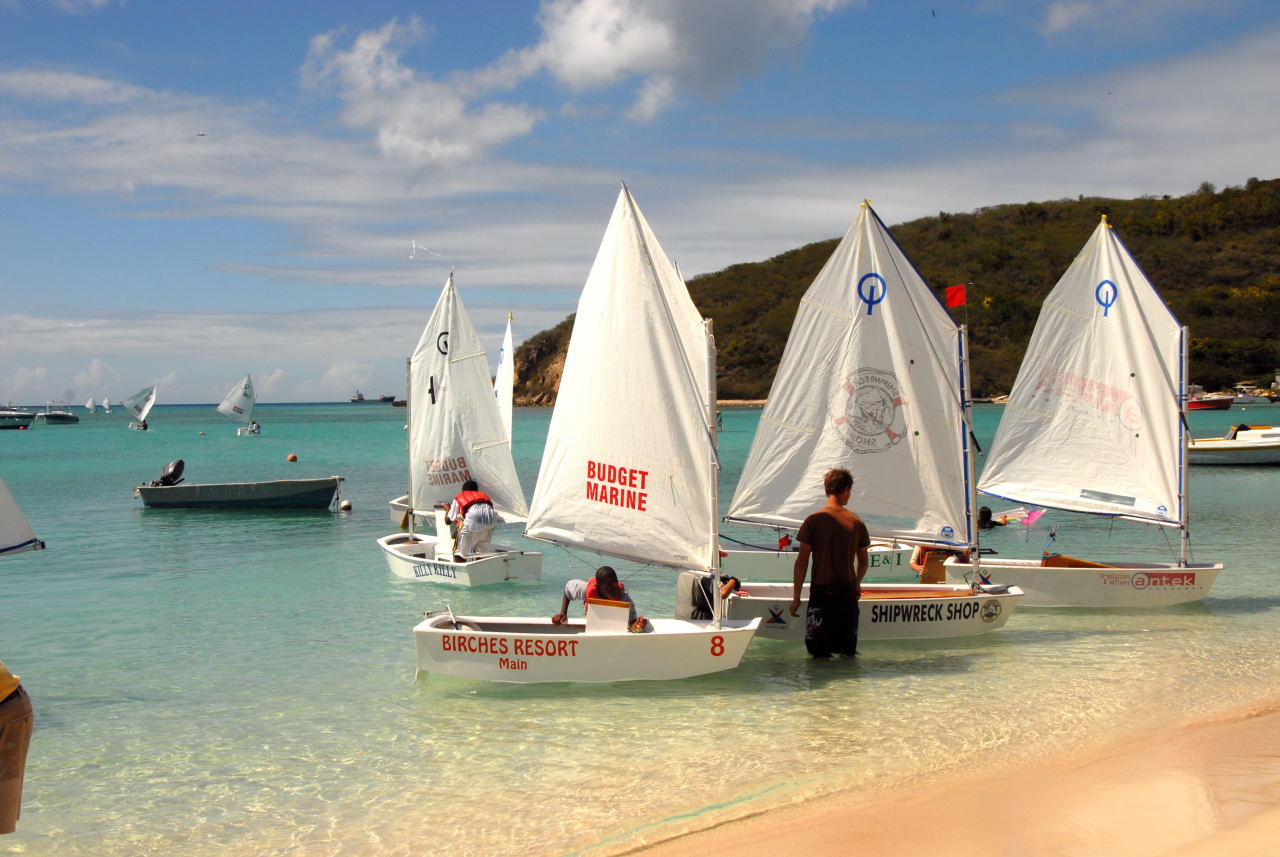
Anguilla wasn't that easy to get to - I flew from London to Paris, Paris to St Martin and then took a ferry to the lovely, old-fashioned ferry port at Blowing Point, Anguilla.
As soon as I stepped ashore I knew the journey was worth it.
Anguilla
The island is tropical, with swaying palms, white beaches and turquoise seas - but it differs from other Caribbean islands.There is a quietness here, a friendliness and an unspoilt feeling. There are no big hotels or chain restaurants. even the capital, called The Valley, has a sleepy atmosphere and the liveliest place turns out to be a row of simple food stalls called The Strip where locals and tourists alike enjoy barbeque.
The island has built a reputation for being the cuisine capital of the region because of the numbers of eating establishments and the quality of the food – you can dine in sophisticated restaurants like Veya at Sandy Ground and Da ‘Vida restaurant at Crocus Bay as well as the simpler home-style bars such as Blanchard's bech shack and stalls at The Strip such as Ken's BBQ .
But my favourite place to dine out is looking out to sea on Sandy island,  just a few minutes by sea shuttle from Sandy Ground pier, but it could be millions of miles away from civilisation with just some beach beds, the sound of the waves and a ‘sandy seafood salad’. This is just one of Anguilla’s little off shore islands and cays which are perfect for a day’s escape – others include Scilly Cay, uninhabited Prickly Pear cays or Sombrero Island.
Sailing is part of the island’s heritage and an experience not to be missed is a sail on a traditional West Indian sloop like ‘Tradition’ with the wind in your hair.
Back on the island, I make a visit to the slightly eccentric Heritage Museum where I meet local historian and personality Colville Perry who has stuffed the small building with photographs, objects and curios.
For more information visit the Anguilla Tourist Board: www.ivisitanguilla.com
Getting to Anguilla
Flights to Antigua start from £617. Fly via Paris with Air France to St Martin and then take the ferry to Anguilla, www.funtime-charters.com
Or fly to Antigua with BA or Virgin. Liat have now introduced a daily connection flight from Antigua to Anguilla which starts from $269 return www.liat.com


Monday, 21 December 2015

MAKING THE MOST OF MOZAMBIQUE


Some countries in Africa may be the home of safari, but Mozambique is becoming famous for its sea safari and the chance of see some of the world’s most iconic sea creatures. Whale sharks, manta rays, turtles and other amazing marine life make tiny Tofo, in Mozambique, an underwater heaven for divers and nature lovers.


A whale shark, about  13 feet  in length, glides by without so much as a blink of its eye. He pays little attention to a gaggle of scuba divers who have made the journey here from all corners of the globe for the chance to see this magnificent creature and his cousins.

Tofo lies on the Indian Ocean and is a small town fringed by an arc of white sand and blue sea. Unsophisticated and simple, there is only one hotel here, Hotel Tofo Mar, recently opened by a Portuguese MP. Otherwise accommodation for the divers and surfers is in  beachfront shacks, simple hostels, rustic chalets or small guesthouses such as Casa Do Mar  or Casa Barry, where the MMF (Marine Megafauna Foundation) often give early evening talks about sharks and rays. 

Not here the flashy all inclusives or luxurious sprawling resorts found elsewhere on the Indian Ocean – instead expect a ‘make yourself at home’ casual atmosphere with many establishments offering trusting ‘honesty bars’. The views are amazing and for a break from diving, time spent on the ground is an eye –opener. Tofinho, less than a kilometre south, is situated on exposed and rocky headland , a favourite spot for fishermen when a high tide covers the shelf, allowing casting for the plentiful kingfish into the deep waters beyond. Tofinho is also the site of the Frelimo Monument to Fallen Heroes, near to where unfortunate victims of the colonial period were thrown into a sea cave, to be drowned by the rising tide.


Monday, 16 November 2015

TALL TALES OF HONG KONG


I recently revisited Hong Kong after a gap of nearly 20 years.  I found that these days the  place thrives on  superlatives  - the locals never tire of telling you that things here are taller, higher, bigger, longer, better. And certainly with its iconic skyline filling up with increasingly tall buildings, it does appear to be reaching sky-high in record breaking .

Here’s my Hong Kong High Five


1  Celebrity Big  Buddha

 The Big Buddha, or as it’s officially known the Tian Tan Buddha, is a 34ft tall (including base) statue of a seated Buddha that’s part of the Po Lin Monastery complex. Weighing over 250 tons, that makes the statue the biggest, bronze, seated Buddha in the world and one of the world’s top ten Buddha statues by scale. It is high on the hills of  Lantau Island.

2  Moving stairway to heaven

The Mid-levels Escalator system

The Central – Mid-Levels Escalator system is the world's longest outdoor covered escalator system, stretching for over 800 metres and rising 135 metres through the streets of a steep hillside linking these districts of Hong Kong Island. The system is not a single continuous escalator, it is a series of 20 escalators and 3 inclined moving walkways, connected in places by footbridges, and with 14 entrances and exits. To ride the complete length of the escalator system one-way takes about 20 minutes.


3  and 4  

For rum at the top  I headed  to Ozone, the world’s highest bar and to reach it of course I had to take the world’s  highest lift.

Ozone is at the Ritz-Carlton Hong Kong. The ICC (International Commercial Centre) is the tallest building in Hong Kong at 490 metres. The building has 118 floors.  The Ritz-Carlton occupies 102nd to 118th floors.  Cocktails with your head in the clouds is a dizzying experience but you wouldn’t want to take the stairs to get there.  


5 A Long Lunch

Its all long in Hong Kong: The list of restaurants in Hong Kong runs to 11,000, not counting all the little street stalls and kiosks. You could eat in three different restaurants a day for 10 years and still not visit them all I am reliably told.

Would you want to? Depends on what they were serving. I think I may have eaten the world’s oldest egg, as one foodie tour operator persuaded me to sample ‘century-old egg’  in my porridge.  An acquired taste, which certainly brought me down to earth.


www.DiscoverHongKong.com